Welcome to amateur radio — and welcome to Longmont! Whether you just passed your Technician exam or you’re still studying, this page is your roadmap for getting on the air and finding your place in the LARC community.
📋 Step 1: Get Licensed
There are three license classes in the U.S.:
| License | Privileges | Study Time | Questions |
|---|---|---|---|
| Technician | All VHF/UHF + limited HF | 2–4 weeks | 35 from pool of 411 |
| General | Most HF privileges | 2–4 weeks (after Tech) | 35 from pool of 462 |
| Amateur Extra | All amateur privileges | 2–4 months (after General) | 50 from pool of 622 |
Free Study Resources
- 🌐 ham.study — Best free flashcard-based study tool
- 📱 HamExam.org — Practice tests with instant feedback
- 📚 ARRL License Manuals — The authoritative study guides
- 🎧 HamStudy — App with spaced repetition
Take Your Exam with LARC
LARC hosts regular VE (Volunteer Examiner) testing sessions! Check our calendar for upcoming dates, or contact our VE team at info@w0eno.org.
📻 Step 2: Get on the Air
Once you have your Technician license, you can operate immediately on VHF/UHF bands — which means FM repeaters and local nets.
Your First Radio
A handheld (HT) is the easiest starting point. Popular beginner HTs:
- Yaesu FT-65 — Simple, reliable, great battery life (~$70)
- Baofeng UV-5R — Very affordable (~$25), but requires more programming knowledge
- Kenwood TH-D75A — D-STAR + APRS capable, for the future-minded Tech (~$500)
Program the W0ENO Repeaters
Your first goal: program the LARC repeaters into your HT and check into a net!
2m Repeater: 147.270 MHz, +600 kHz offset, CTCSS 100.0 Hz
70cm Repeater: 448.800 MHz, -5 MHz offset, CTCSS 88.5 Hz
EchoLink: W0ENO-R (node #)
70cm Repeater: 448.800 MHz, -5 MHz offset, CTCSS 88.5 Hz
EchoLink: W0ENO-R (node #)
Use CHIRP (free software) to program your radio easily from a computer.
🎙️ Step 3: Check into a Net
A “net” is a scheduled on-air meeting. LARC runs two weekly nets — a great place to make your first transmission and introduce yourself:
| Net | Day | Time (MT) | Frequency |
|---|---|---|---|
| Hamlet Net | Tuesday | 7:00 PM | 147.270 MHz (100.0 Hz) |
| Social Net | Thursday | 8:00 PM | 147.270 MHz (100.0 Hz) |
When the Net Control Station (NCS) asks for check-ins, simply key your mic and say:
“[Your callsign], [your name], checking in from [city].”
🤝 Step 4: Join LARC
Annual LARC membership is just $20/year — one of the best values in amateur radio.
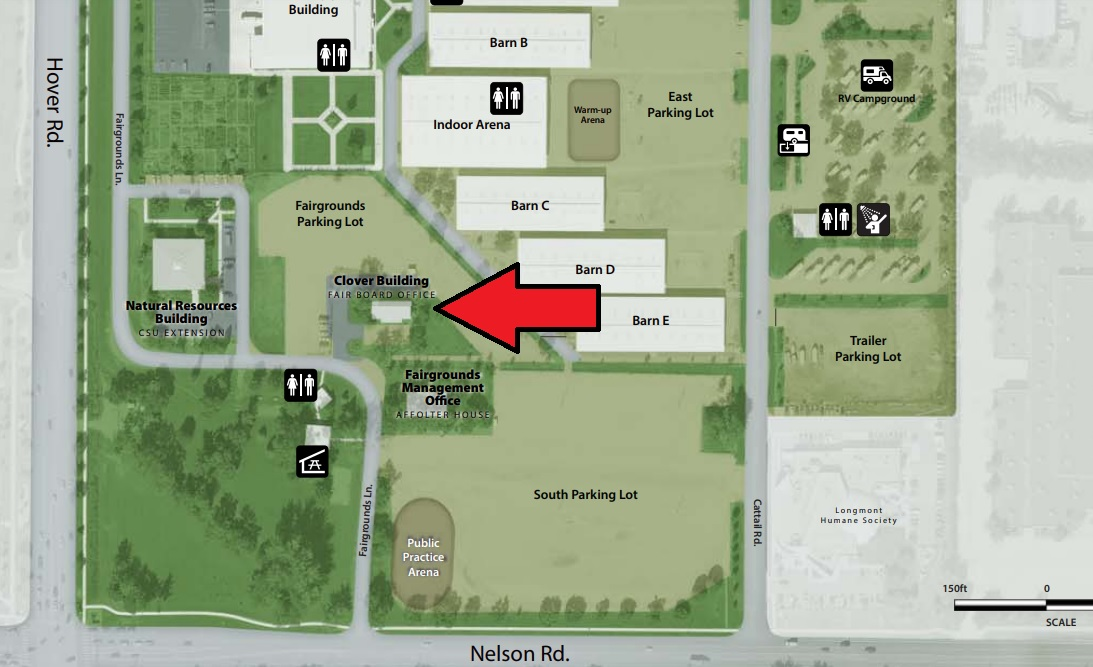
- Monthly meetings (3rd Wednesday, Boulder County Fairgrounds)
- Access to club stations, equipment, and resources
- Participate in Field Day, POTA activations, and club events
- Newsletter and email list with the latest ham radio news
- Big Brother/Big Sister mentoring with CU Boulder ARC and Indian Peaks Radio Club
🎓 Step 5: Find an Elmer
In ham radio, an “Elmer” is a mentor — an experienced operator who helps new hams get comfortable on the air, understand equipment, and grow their skills. LARC’s Elmer Support program connects new hams with experienced members.
Don’t be afraid to ask questions! The amateur radio community is famously welcoming and helpful.
🚀 What’s Next?
Once you’re comfortable on the local repeater, explore:
- 📡 Digital Modes — FT8, DMR, D-STAR
- 🏕️ POTA & SOTA — Operating from Colorado’s incredible parks and summits
- 🏆 Contesting — The ARRL Field Day is a great first contest (LARC participates every year!)
- 📶 HF Radio — Upgrade to General and talk to the world on shortwave
- 🛰️ Satellites — Yes, you can talk through amateur radio satellites with an HT!
Questions? We’re here. Reach us at info@w0eno.org or come to any LARC meeting or net.
73 de W0ENO — Good luck and welcome to the hobby!


 The Custom Facebook Feed plugin