
Front Page

Join us for our Tuesday Night Hamlet Net!

Our Hamlet Net is an educational net that’s geared for newbies to the hobby, and everyone else too! You are invited to join us on our repeaters at 7:00 pm – 8:00 pm every Tuesday evening to check in, listen to an educational presentation, give your comments and/or opinions, and ask questions. We hope to hear you on the air!
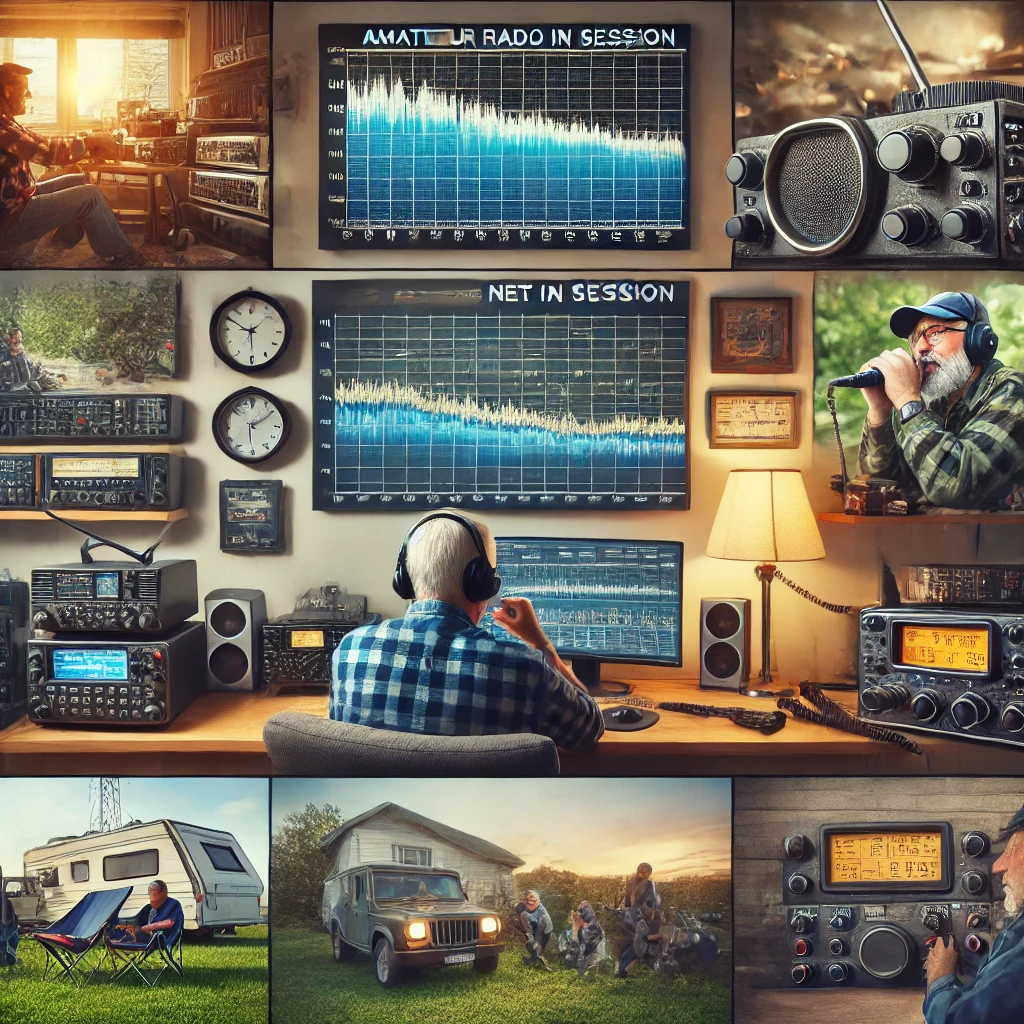
Join us for our Thursday Night LARC Net!

You are invited to join us on our repeaters for our regular Thursday Night Net at 8:00 pm. This is a social net, so please check in at 8:00 pm, and when called upon, let us know what you’ve been doing with/on your radio lately, and update us on any projects you’ve been working on or building. Hope to hear you on our Net!

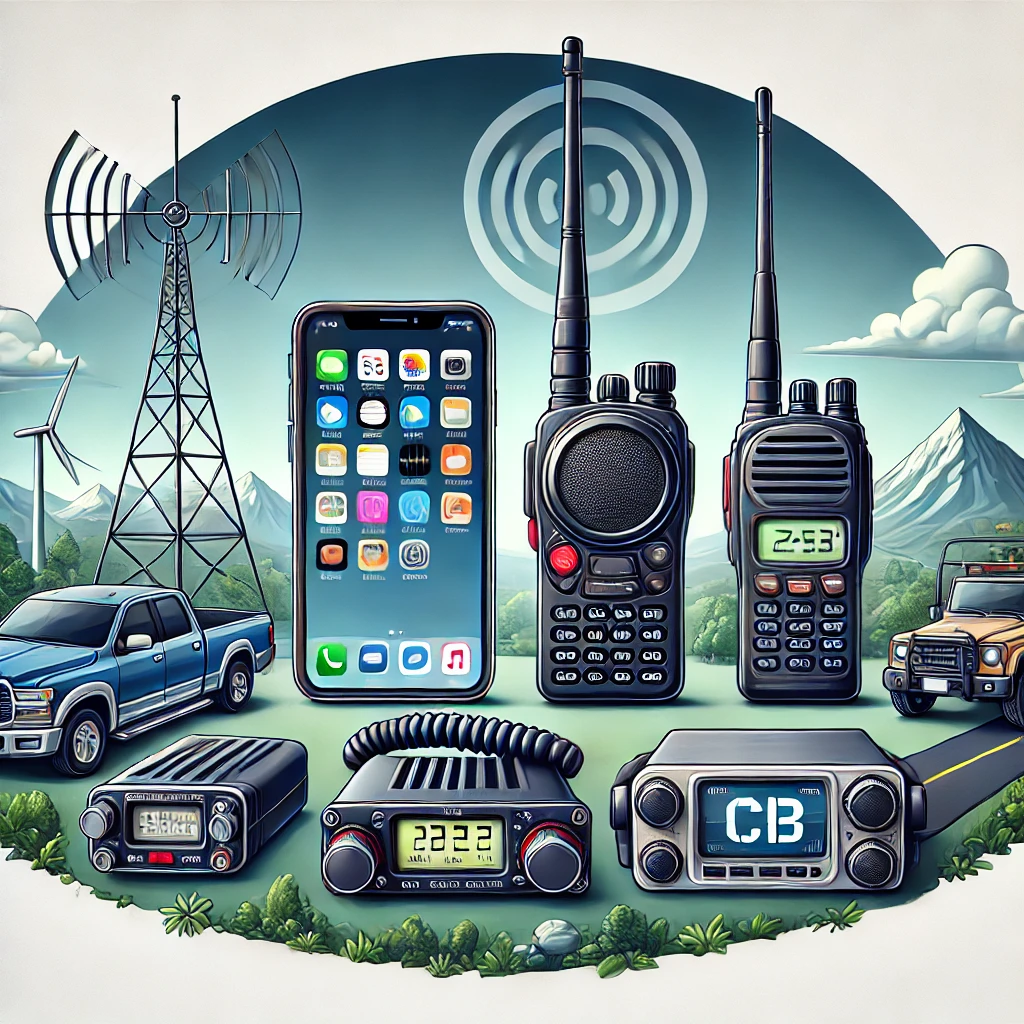
Amateur Radio vs. Cell vs. FRS vs. GMRS vs. CB

Here’s a breakdown of the differences between Cell Phones, Amateur Radio, FRS, GMRS, and CB, including their general operating ranges.


1. Cell Phones

  • Frequency Range: Varies by carrier (800 MHz to 2.5 GHz)
  • Licensing: No license required (service provider subscription needed)
  • Usage: Voice, text, and data communication via cellular networks
  • Range: 1-30 miles, depending on tower coverage
  • Pros:
    • Reliable in areas with good network coverage
    • Supports high-quality voice, text, and internet services
  • Cons:
    • Requires a cellular network to function
    • May not work in remote areas or during network outages

2. Amateur Radio (Ham Radio)

  • Frequency Range: VHF (144-148 MHz), UHF (420-450 MHz), and HF (1.8-30 MHz)
  • Licensing: FCC license required (Technician, General, Extra)
  • Usage: Emergency communication, hobbyist use, long-range contacts
  • Range: 1-100+ miles (or worldwide via HF bands and repeater systems)
  • Pros:
    • Can communicate worldwide on HF bands
    • Works in remote areas without reliance on infrastructure
  • Cons:
    • Requires licensing and training
    • Equipment can be costly and complex

3. Family Radio Service (FRS)

  • Frequency Range: 462-467 MHz (UHF)
  • Licensing: No license required
  • Usage: Short-range communication for families, businesses, and outdoor activities
  • Range: 0.5-2 miles (up to 5 miles in ideal conditions)
  • Pros:
    • Inexpensive and easy to use
    • No licensing required
  • Cons:
    • Limited power (maximum 2 watts)
    • Interference in busy areas

4. General Mobile Radio Service (GMRS)

  • Frequency Range: 462-467 MHz (UHF)
  • Licensing: FCC license required (no exam, just a fee)
  • Usage: Personal and family communication, emergency use
  • Range: 1-5 miles handheld, 5-25 miles with mobile/base stations and repeaters
  • Pros:
    • Higher power (up to 50 watts) than FRS
    • Can use repeaters for extended range
  • Cons:
    • License required
    • Can experience congestion in urban areas

5. Citizens Band Radio (CB Radio)

  • Frequency Range: 27 MHz (HF)
  • Licensing: No license required
  • Usage: Truckers, off-roaders, emergency communication
  • Range: 1-5 miles (handheld), 5-20 miles (mobile/base station)
  • Pros:
    • No license needed
    • Works well in rural and off-road conditions
  • Cons:
    • Lower power (4 watts AM, 12 watts SSB)
    • Interference and noise on busy channels

Comparison Summary

ServiceFrequencyLicense?RangeBest Use
Cell Phones800 MHz – 2.5 GHzNo1-30 miles (depends on towers)General communication, data
Amateur RadioVHF/UHF/HFYes1-100+ miles (worldwide on HF)Hobby, emergency, long-range
FRS462-467 MHz (UHF)No0.5-5 milesShort-range personal use
GMRS462-467 MHz (UHF)Yes1-25 miles (repeaters extend range)Family, outdoor, emergency
CB Radio27 MHz (HF)No1-20 milesTrucking, off-road, rural

Final Thoughts

  • Use cell phones for everyday communication, but they are limited by network availability.
  • Use Ham Radio for emergency, long-range, or hobbyist communicationβ€”requires a license.
  • Use FRS for simple, short-distance, unlicensed communication.
  • Use GMRS for better range and repeater capability, but requires a license.
  • Use CB radio for truckers, off-roaders, and situations where UHF/VHF signals might be blocked.