Front Page

Front Page Posts

The Ultimate Guide to HF Antennas: From Classic Dipoles to Niche & Experimental Designs


Introduction

High-Frequency (HF) radio signals (3 MHz to 30 MHz) rely on skywave propagation to bounce off the ionosphere, allowing amateur radio operators to bridge continents using only a few watts of power. However, no single piece of equipment has a greater impact on your signal than your antenna.

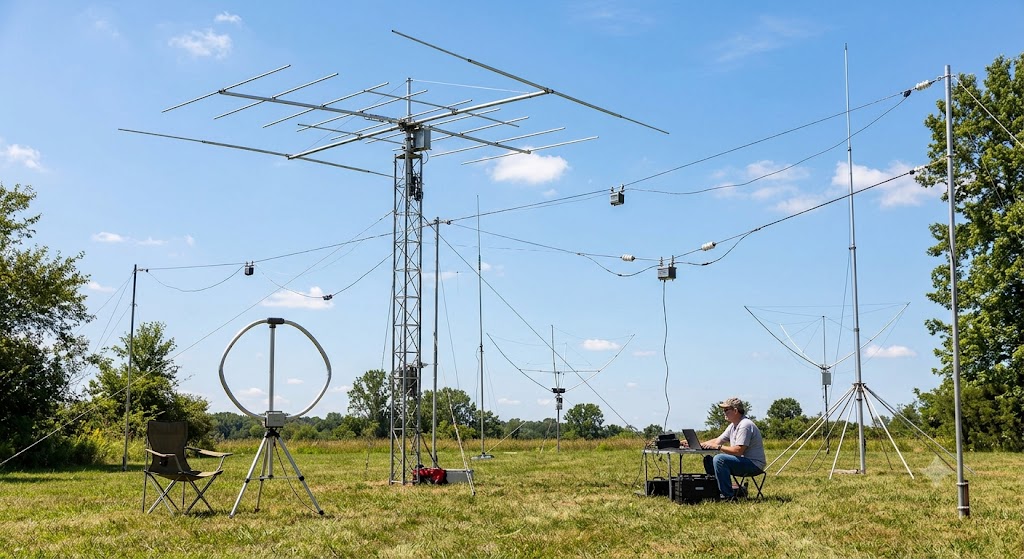
While most operators are familiar with half-wave dipoles and vertical whips, the world of HF antenna design spans dozens of specialized, obscure, and experimental geometries. Whether you are aiming for worldwide DXing, emergency NVIS communications, or operating from an apartment balcony, this guide covers the entire spectrum of HF antenna types.


1. Mainstream Workhorses (Everyday Operators)

These are the antennas found in roughly 80% to 90% of ham shacks worldwide due to their balance of cost, simplicity, and efficiency.

  • Half-Wave Dipole: A center-fed resonant wire measuring $\frac{1}{2}\lambda$. It provides a reliable bi-directional signal and serves as the baseline reference for antenna gain ($\text{dBd}$).
  • End-Fed Half-Wave (EFHW): Fed at the end using a high-impedance matching transformer (typically a 49:1 or 64:1 Unun). Extremely popular for field operations (POTA/SOTA) because it requires only a single high support point.
  • Quarter-Wave Vertical: An omnidirectional radiator requiring a reflective ground system (radials). Excellent for low-angle DX on lower bands ($40\text{m}$, $80\text{m}$, $160\text{m}$).
  • Yagi-Uda Beam: A directional array consisting of a driven element, a reflector, and one or more directors along a boom. It concentrates RF energy in a single direction for maximum gain.

2. Directional & Multi-Band Wire Arrays

For operators seeking directional gain or multi-band operation without building massive aluminum towers:

  • Moxon Rectangle: A 2-element directional beam with folded element tips. It delivers exceptional front-to-back isolation in a footprint much smaller than a standard 2-element Yagi.
  • Hexbeam & Spiderbeam: Lightweight, umbrella-shaped wire beams built on fiberglass spreaders. They provide multi-band directional performance with low wind loading.
  • Full-Wave Loops (Quad & Delta): Closed wire loops measuring $1\lambda$ in perimeter. Quads often offer lower receiving noise and slightly higher gain than equivalent Yagis.
  • Off-Center Fed Dipole (OCFD / Windom): Fed at roughly the $\frac{1}{3}$ point along the wire to yield manageable feedpoint impedance across multiple harmonic bands.

3. Dedicated Low-Noise Receive (RX-Only) Antennas

On the lower HF bands ($160\text{m}$ and $80\text{m}$), atmospheric static and local electrical noise (QRN/QRM) can drown out weak signals. Because transmit antennas pick up too much noise, DXers use specialized receive-only arrays:

  • Beverage & BOG (Beverage on the Ground): A long, low-wire directional antenna terminated with a resistor. BOG variations lie directly on the ground, creating ultra-quiet, highly directional receive beams.
  • K9AY Loop & EWE Antennas: Compact terminated wire loops designed to produce sharp directional nulls in small yards, letting operators reject interfering noise from specific headings.
  • Flag and Pennant Antennas: Small, ground-independent terminated loops ideal for suburban properties where laying hundreds of feet of Beverage wire is impossible.

4. Broadband & Military/ALE Designs

These antennas prioritize wide frequency coverage without requiring an active antenna tuner (ATU), often used in Automatic Link Establishment (ALE) or military communications:

  • T2FD (Tilted Terminated Folded Dipole): A folded dipole featuring a load resistor in the top leg. It maintains a low SWR across the entire HF spectrum ($3\text{ to }30\text{ MHz}$) at the cost of slight efficiency loss.
  • HF Discone: A broad-spectrum omnidirectional antenna featuring a disc top-hat and a conical skirt. While common in VHF/UHF, HF discones require massive tower structures and are used primarily for wideband monitoring.

5. Niche, Obscure & Experimental HF Antennas

These designs represent specialized engineering solutions, historical broadcast arrays, or compact experimental radiators:

                  +-----------------------+
                  |  HF ANTENNA SPECTRUM  |
                  +-----------+-----------+
                              |
     +------------------------+------------------------+
     |                                                 |
[Mainstream & Wire]                             [Obscure & Specialized]
- Dipole / EFHW                                 - Rhombic & Sterba Curtain
- Vertical Whips                                - AS-2259 NVIS Cross-Dipole
- Yagi-Uda Beams                                - Isotron & Compact LC Nets
- Magnetic Loops                                - CFA / EH Experimental

A. The Rhombic Antenna

  • Design: A massive horizontal diamond-shaped wire antenna suspended on four towers, terminated at the far corner with a non-inductive resistor.
  • Characteristics: Extremely high directive gain and broad bandwidth across multiple bands.
  • Why it’s rare: Requires several acres of land and multiple high poles, making it nearly extinct in modern suburban ham stations.

B. The Sterba Curtain & Bruce Array

  • Design: Large vertical grids of interconnected, phased wire dipoles supported between massive wooden or steel structures, backed by a reflective screen.
  • Characteristics: Massive broadside gain once used for international shortwave radio broadcasting (e.g., Voice of America).
  • Why it’s rare: Extremely difficult to construct, non-rotatable, and requires immense physical space.

C. AS-2259 Crossed-Dipole (NVIS Optimized)

  • Design: Two inverted-V dipoles mounted at right angles to each other over a ground mesh, fed $90^\circ$ out-of-phase on a single center mast.
  • Characteristics: Optimized specifically for Near Vertical Incidence Skywave (NVIS), shooting signals straight up between $2\text{ MHz and }12\text{ MHz}$ to cover regional tactical zones ($0\text{ to }300\text{ miles}$) without skip zones.
  • Why it’s rare: Primarily a military tactical antenna, though popular among EmComm (Emergency Communications) enthusiasts.

D. Isotron Antennas

  • Design: Ultra-compact structures using capacitive plates and high-Q loading coils to achieve resonance in spaces less than 2–3 feet across.
  • Characteristics: Allows operation on lower bands ($40\text{m}$, $80\text{m}$) from restricted apartments or attics.
  • Why it’s rare: Very narrow operating bandwidth and lower radiation efficiency compared to full-sized wire antennas.

E. Crossed-Field Antennas (CFA) and EH Antennas

  • Design: Experimental antennas designed to synthesize the electric ($E$) and magnetic ($H$) fields directly at the structure using specialized phasing circuits.
  • Characteristics: Claimed to achieve full-wave antenna performance in structures under $1\%$ of a wavelength.
  • Why it’s rare: Highly controversial in radio physics; critics argue that most effective radiation from these systems actually comes from the outer shield of the attached coaxial feedline rather than the antenna element itself.

Summary Comparison Matrix

Antenna CategorySpace RequiredGain / DirectivityPrimary Use Case
Dipole / EFHWModerateMedium / Bi-directionalGeneral Operating & Portable
Yagi / HexbeamModerate–LargeHigh / DirectionalSerious DXing & Contesting
Magnetic LoopVery SmallLow–Medium / Sharp NullsSpace-Restricted / High Noise
Beverage / BOGVery LargeHigh (RX Only)Low-Band DXing ($160\text{m}/80\text{m}$)
T2FD BroadbandModerateLow–Medium / BroadbandALE / Military / General Coverage
Rhombic / SterbaMassive (Acres)Ultra-High / Fixed BeamCommercial / Historical DX
AS-2259Small–ModerateHigh Elevation (NVIS)Regional EmComm / Tactical

Final Thoughts

There is no single “best” HF antenna. Antenna selection is always a balance between available footprint, operating goals, budget, and local noise environment. Whether you choose a simple wire tossed into a tree or build a phased directive array, experimenting with different antenna geometries remains one of the most rewarding aspects of amateur radio.
Meshtastic or MeshCore or Reticulum and ATAK

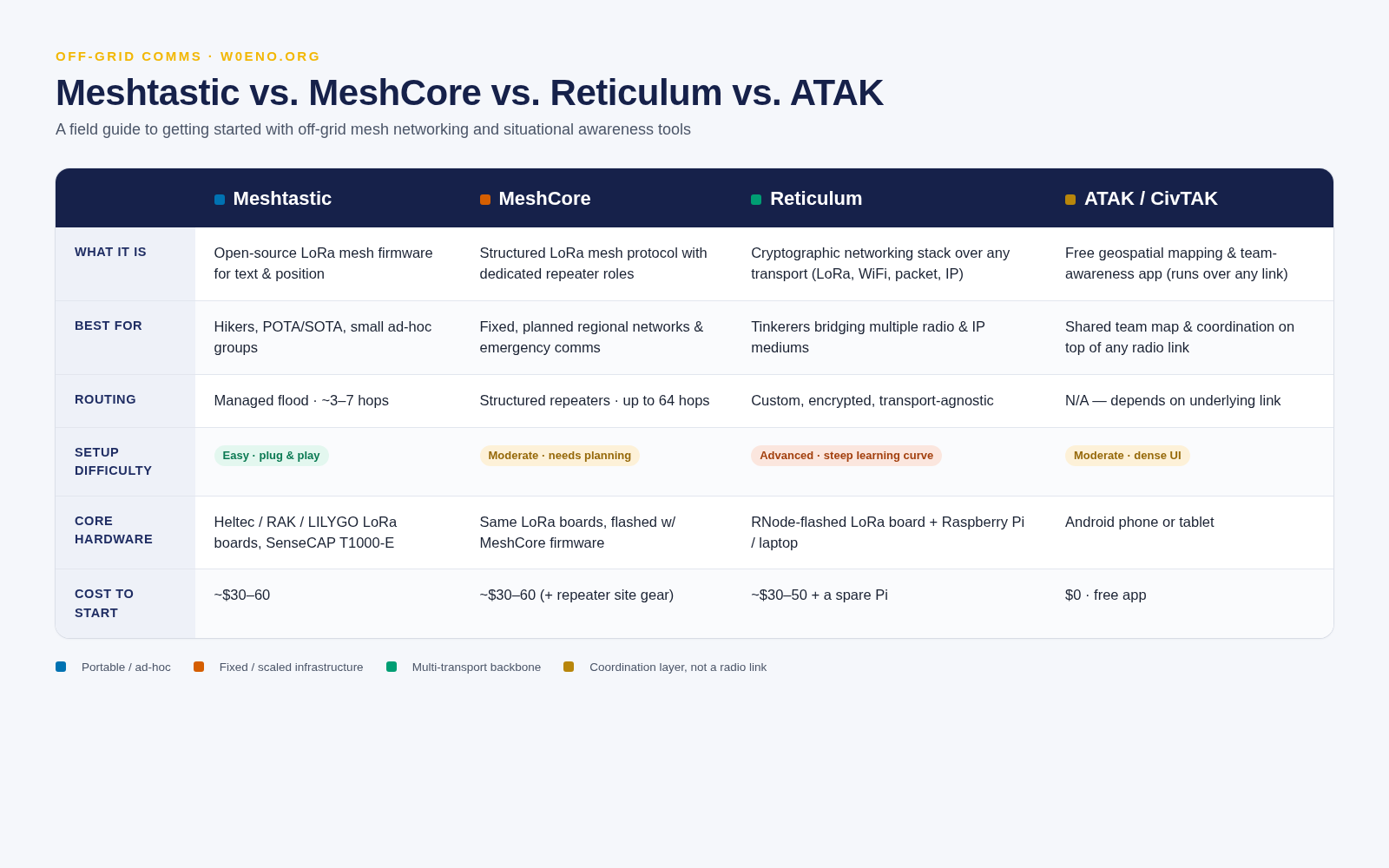
Comparison table: Meshtastic vs MeshCore vs Reticulum vs ATAK

At-a-glance comparison — details and getting-started steps below

Off-Grid Comms Compared: Meshtastic vs. MeshCore vs. Reticulum vs. ATAK

A guide for hams getting started with off-grid data networking

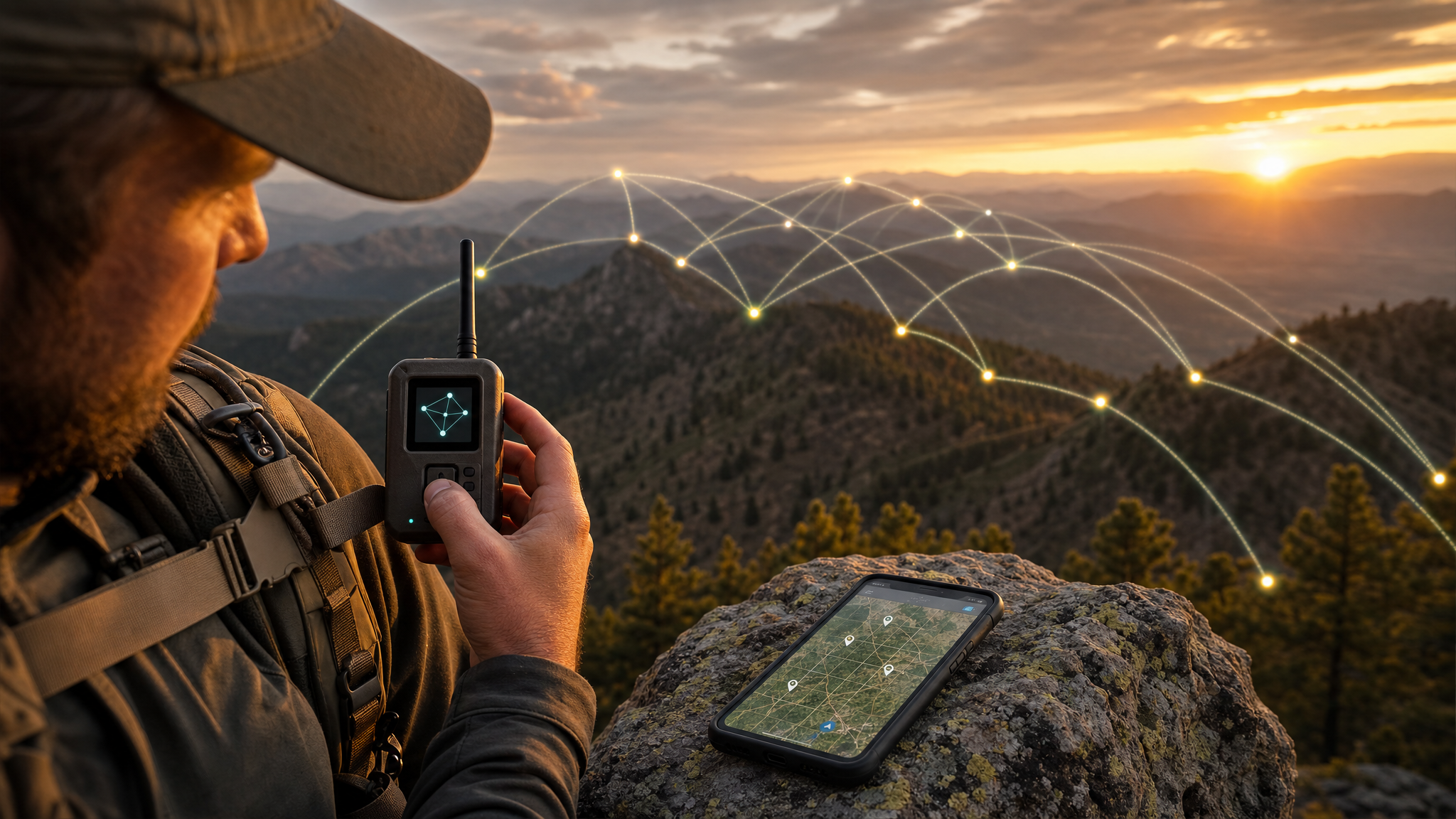
If you’ve been to a hamfest, a POTA activation, or a Field Day site in the last couple of years, you’ve probably heard someone mention “Meshtastic nodes” or seen a phone running ATAK. These tools sit alongside traditional amateur radio — voice, CW, digital modes — as a new layer of off-grid, internet-independent communication. This article breaks down four of the most talked-about systems, what makes each one different, and what it takes to get on the air (or on the mesh) with each.

Quick framing before we dive in: these are complementary tools, not competitors. Many hams run two or three of them at once — a Meshtastic node clipped to a backpack, a MeshCore repeater on a hilltop, and ATAK on a phone for situational awareness during an event. None of them replace your license privileges; using them over amateur frequencies with amateur callsigns follows the same Part 97 rules as any other mode.


1. Meshtastic — the easy on-ramp

What it is: Meshtastic is an open-source firmware for cheap LoRa (Long Range) radio modules that turns a handful of them into a self-organizing text-messaging mesh network — no cell service, no internet, no infrastructure required. Every node can also act as a repeater, rebroadcasting messages up to a configurable hop limit (typically 3–7 hops).

How it works: Nodes pair to a phone app (Android/iOS) or web client over Bluetooth, WiFi, or USB. You send short text messages, GPS position, and telemetry over unlicensed ISM bands (915 MHz in the US) using a “managed flood” routing scheme — simple, but it can get chatty on busy networks.

Best for: Hikers, POTA/SOTA activators, festival and event groups, small ad-hoc teams, and anyone who wants zero-config mesh messaging in the field. This is by far the easiest of the four to get running in an afternoon.

Getting started — what you need:

  • A Meshtastic-compatible LoRa device. Popular entry points:
    • Heltec V3 / T-Echo / RAK WisBlock — classic budget-friendly boards with small screens (~$25–45)
    • SenseCAP T1000-E — a compact clip-on tracker, great as an everyday-carry node
    • Seeed Studio Wio Tracker L1 / L1 Pro — more extensible, good for mobile/vehicle use
    • Station G2 / solar-powered boards — for a fixed, always-on hilltop repeater
    • Budget dev-kit option: XIAO ESP32-S3 or XIAO nRF52840 with a LoRa module, if you want to build your own
  • A phone or laptop with the free Meshtastic app
  • A US-legal 915 MHz antenna (stock whip is fine to start; upgrade later for range)
  • Optional: a solar panel + small battery for a fixed repeater node

Cost to start: roughly $30–60 for one handheld node; a two-node starter pair is a great first purchase for the club to demo at meetings.


2. MeshCore — built for bigger, planned networks

What it is: MeshCore is a newer (2025) LoRa mesh protocol, built partly in response to Meshtastic’s growing pains at scale. Instead of every node blindly rebroadcasting, MeshCore uses dedicated device roles — clients, repeaters, and room servers — and a more structured, hierarchical routing model.

How it’s different from Meshtastic:

  Meshtastic MeshCore
RoutingManaged flood, all nodes can repeatStructured, dedicated repeater roles
Max hops~3–7Up to 64
Best environmentMobile / ad-hoc (hiking, activations)Fixed, planned infrastructure (city/regional coverage)
Delivery confirmationLimitedBuilt-in confirmed delivery
Setup effortPlug-and-playMore planning, but scales much better
HardwareSame LoRa radios as Meshtastic (different firmware)

The short version circulating in the community: Meshtastic is best for small, mobile, ad-hoc groups; MeshCore is best for larger, organized, semi-permanent networks like a county-wide emergency comms backbone or a club’s repeater network. Several regional mesh groups have reported better long-range reliability after switching their fixed infrastructure to MeshCore, while keeping Meshtastic on portable/handheld gear.

Getting started — what you need:

  • The same LoRa hardware as Meshtastic (Heltec, RAK, LILYGO, T-Echo, etc.) — you simply flash MeshCore firmware instead. Note: a node can only run one firmware at a time; it’s not cross-compatible with Meshtastic devices on the air.
  • MeshCore companion app (Android/iOS) or web flasher
  • If you’re setting up a repeater: a rooftop/hilltop mounting location, a better antenna (5–8 dBi gain fiberglass), and ideally solar/battery power for continuous uptime
  • A plan — MeshCore rewards a bit of network design (where repeaters go, what room servers handle traffic) rather than pure plug-and-play

Cost to start: Same $25–45 hardware range as Meshtastic since it runs on identical boards — the difference is mostly in planning, not price.

Club angle: If LARC wants to build out a Longmont-area or Front Range backbone (useful for Field Day, POTA support, or ARES-style emergency backup comms), MeshCore’s repeater-role model is arguably the better long-term architecture than a flat Meshtastic flood network.


3. Reticulum (RNS) — the deep end, for maximum flexibility

What it is: Reticulum is not really a “mesh radio protocol” in the same sense as the other two — it’s a cryptography-based networking stack that can run over almost any transport medium: LoRa (via RNode hardware), WiFi, Ethernet, packet radio (AX.25/KISS TNCs), serial links, or plain TCP/IP over the internet. Think of it less like “another Meshtastic” and more like a DIY, censorship-resistant version of the internet’s networking layer, purpose-built for encrypted, decentralized comms.

Why hams are interested: Reticulum can bridge disparate hardware into one network — e.g., a Raspberry Pi with a LoRa RNode, a packet-radio TNC, and a WiFi link can all be part of the same encrypted mesh simultaneously. It’s the most flexible and most “future-proof” of the three data protocols, but it has a real learning curve — you’re setting up a network stack, not just flashing a firmware and pairing over Bluetooth.

Applications people run on top of it:

  • Sideband — a full-featured messaging/mapping/voice app (Android/desktop)
  • Nomad Network — terminal-based messaging and file sharing
  • Mesh Chat — simpler browser-based chat client

Getting started — what you need:

  • RNode-compatible hardware for the LoRa side — this can be a Heltec/LILYGO LoRa board flashed with RNode firmware (same class of hardware as Meshtastic/MeshCore, again), or a purpose-built RNode
  • A host device to run the Reticulum daemon: a Raspberry Pi (very common choice), an old laptop, or even a phone (Sideband runs standalone on Android)
  • Reticulum software: pip install rns (Python-based), then configure interfaces in the RNS config file
  • Optional but recommended: a packet radio TNC or spare WiFi/Ethernet gear if you want to experiment with bridging multiple transport types
  • Patience — expect to spend real time reading the docs (markqvist.github.io/Reticulum) and the Reticulum manual’s hardware page before it “just works”

Cost to start: $30–50 for an RNode-flashed LoRa board plus whatever compute you already have lying around (an old Raspberry Pi is perfect). Software is free and open source.

Best for: Technically-minded members who want to understand the plumbing, build custom infrastructure, or bridge amateur packet radio with LoRa and IP networks in one unified, encrypted mesh. Great fit for a “digital modes deep dive” club presentation.


4. ATAK / CivTAK — situational awareness on top of any of the above

What it is: ATAK (Android Team Awareness Kit), known as CivTAK or ATAK-CIV in its civilian-legal form, is a free, open-source geospatial mapping and team-collaboration app originally developed by the Air Force Research Laboratory. It’s not a radio protocol — it’s the display and coordination layer that sits on top of a data link (which can be Meshtastic, MeshCore, packet radio, WiFi, cellular, or plain internet).

What it actually gives you:

  • Real-time team location tracking (“PLI” — Position Location Information) on a shared map, online or fully offline
  • High-resolution offline maps and imagery, drawing/marking tools, and route planning
  • Group chat, file/photo sharing, and “team emergency beacon” alerts
  • Overlay support for KML/KMZ/GPX files — handy for course maps, coverage plots, or repeater location overlays
  • A plugin architecture — this is the key piece for hams: there are ATAK plugins that bridge it to Meshtastic devices, letting node positions and messages show up directly on the ATAK map instead of a separate app

Why it matters for a radio club: For an event like a POTA activation, Field Day, or a public-service/ARES-style deployment, ATAK gives you the “common operating picture” — everyone’s location and status on one shared map — while Meshtastic/MeshCore/Reticulum handles the actual radio data link underneath it. Some clubs also use it for Boy Scout events, SAR-style exercises, or simply tracking activators/loggers across a large multi-op Field Day site.

Getting started — what you need:

  • ATAK-CIV, free on the Google Play Store (Android 5.0+) — the civilian-legal build; do not use military-restricted ATAK builds
  • An Android phone or tablet per user (iOS support is limited/community — plan on Android for full features)
  • Offline map tiles for your area, downloaded in advance (no internet needed once loaded)
  • If bridging to a radio mesh: a Meshtastic (or other) plugin/bridge configured to feed position/chat data into ATAK
  • Expect a learning curve — the interface is dense and originally built for military use; budget a training session or two before your first event

Cost to start: $0 for the software; cost is just whatever Android devices your members already carry.


Putting it together: a suggested path for LARC members

If you want to… Start with
Try mesh messaging cheaply and easily on a hike, POTA activation, or Field DayMeshtastic — one or two nodes, ~$60 total
Build permanent, scalable coverage across Longmont/Boulder CountyMeshCore repeaters on hilltop sites + Meshtastic-class handhelds for portable users
Bridge packet radio, LoRa, and IP into one encrypted network, or just like to tinkerReticulum on a Raspberry Pi + RNode
Track team positions and coordinate a multi-operator event on a shared mapATAK-CIV, layered on top of whichever radio link the team is using

A practical, low-cost club demo kit: 3–4 Meshtastic nodes (mixed handheld + one solar fixed node), one Android tablet running ATAK-CIV with the Meshtastic bridge plugin, and a short “bring your phone” session at a meeting. That combination alone showcases all four technologies working together without a huge budget.

Have questions about any of these systems or think it would benefit the club to build a Go-Box? Reach out to me — Send Email to K0ITP.

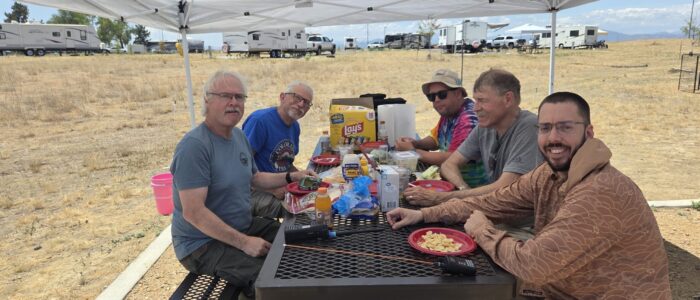
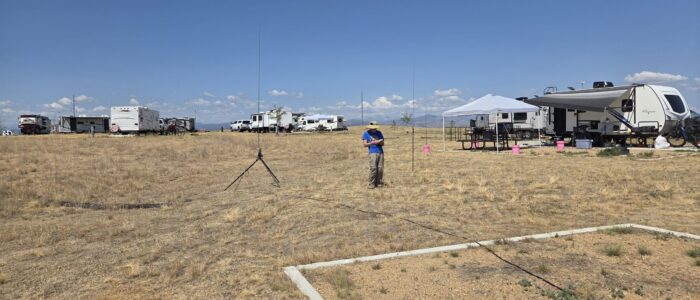
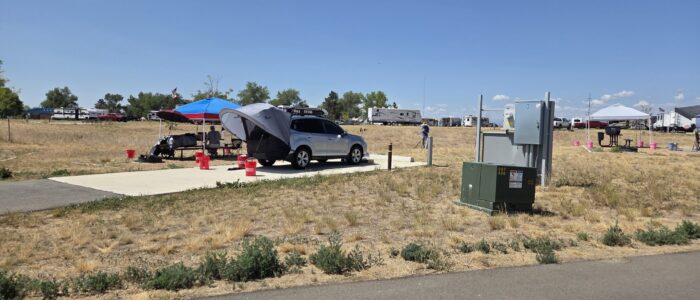
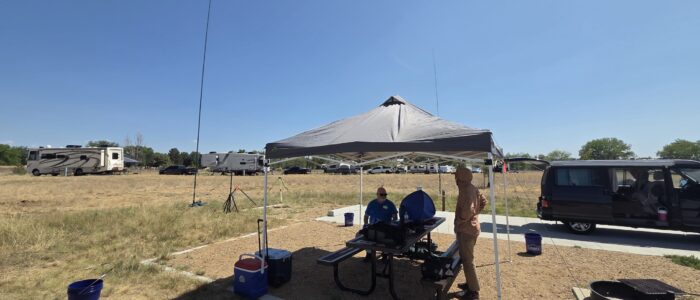
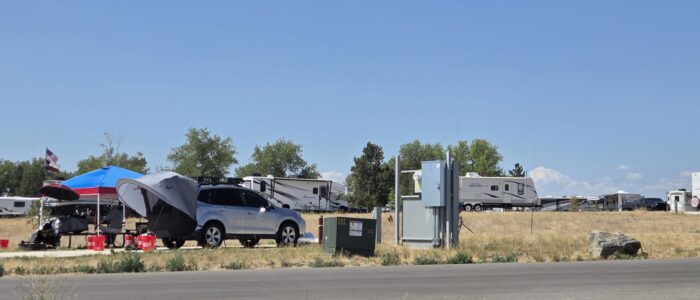
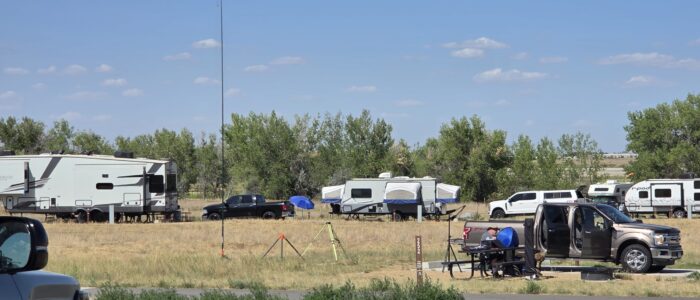
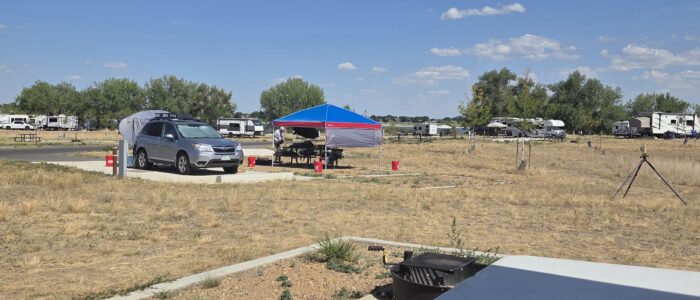
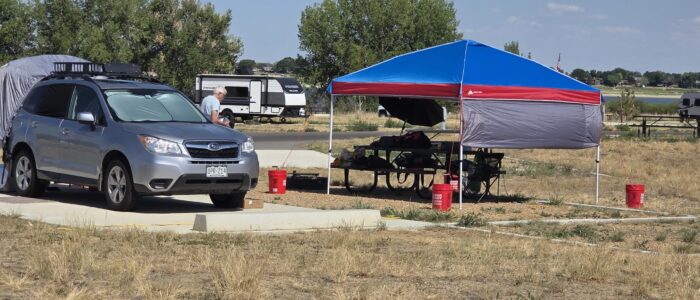
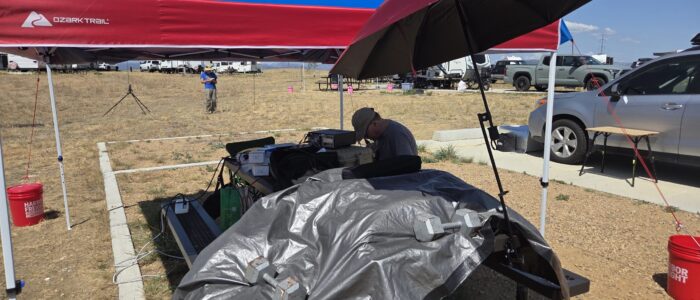
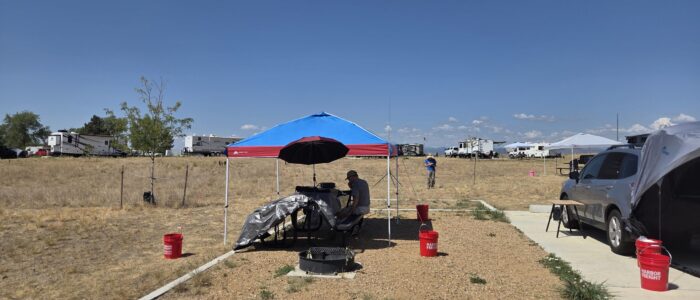
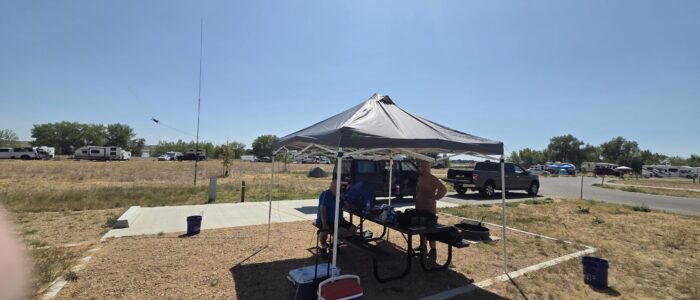
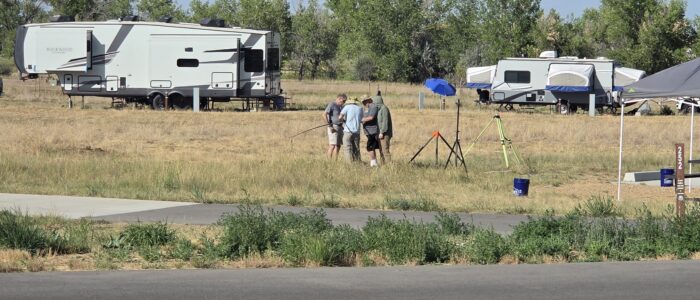
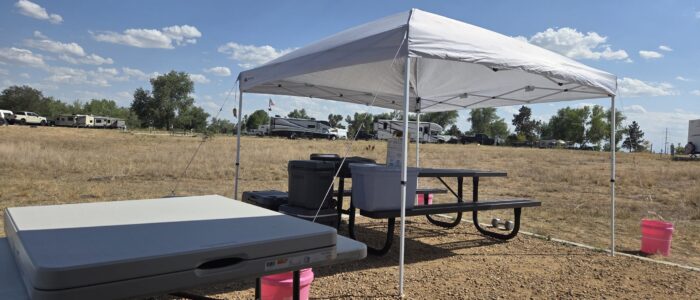
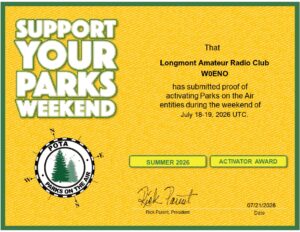
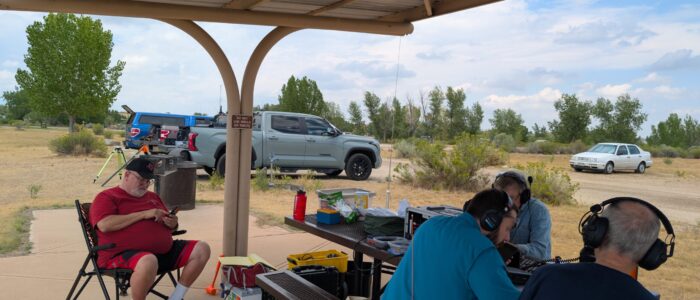
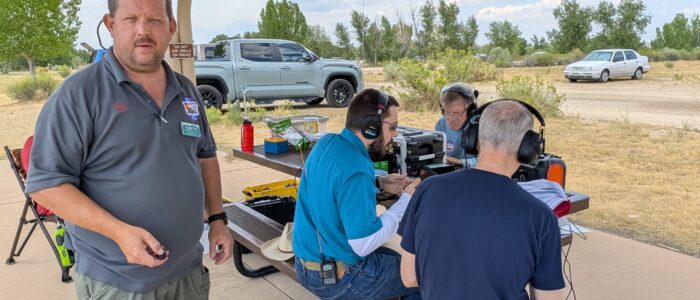
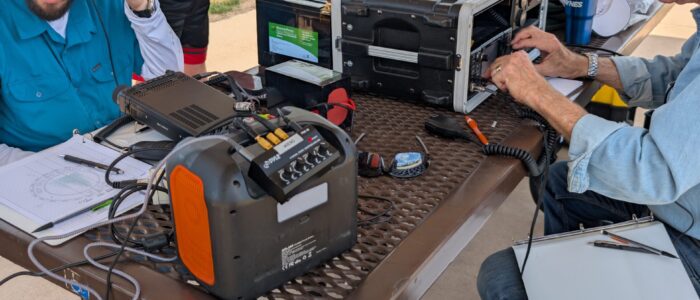
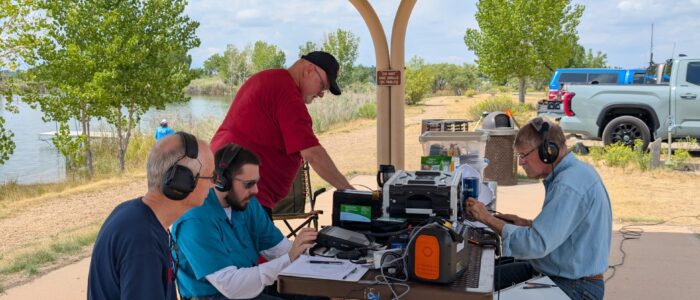
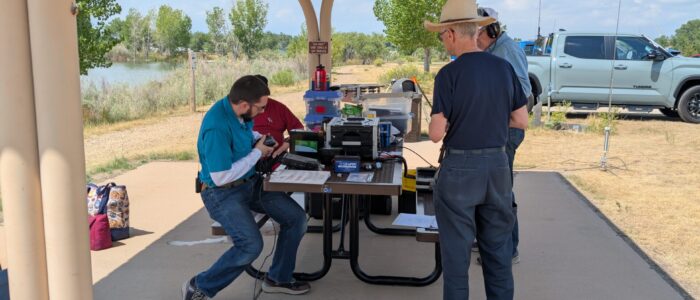
LARC POTA Summer 2026

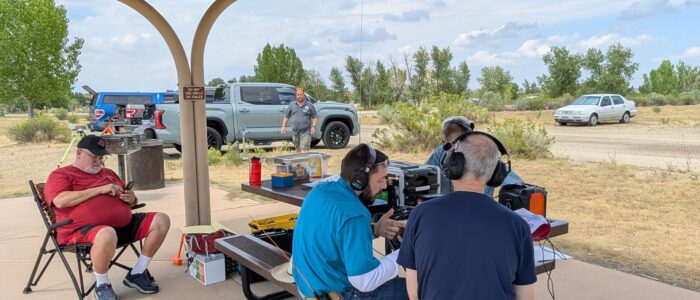
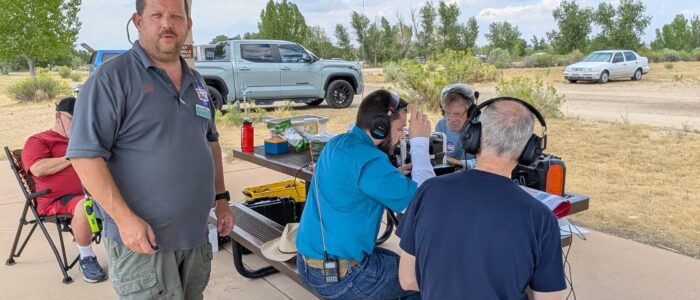
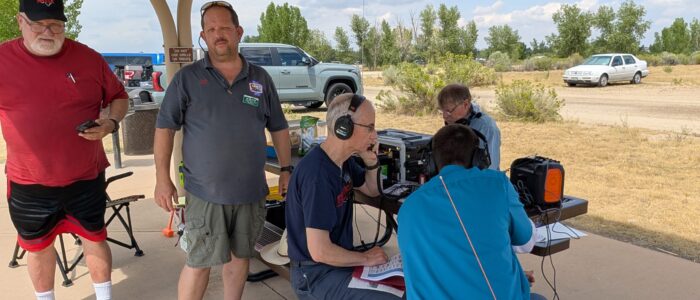
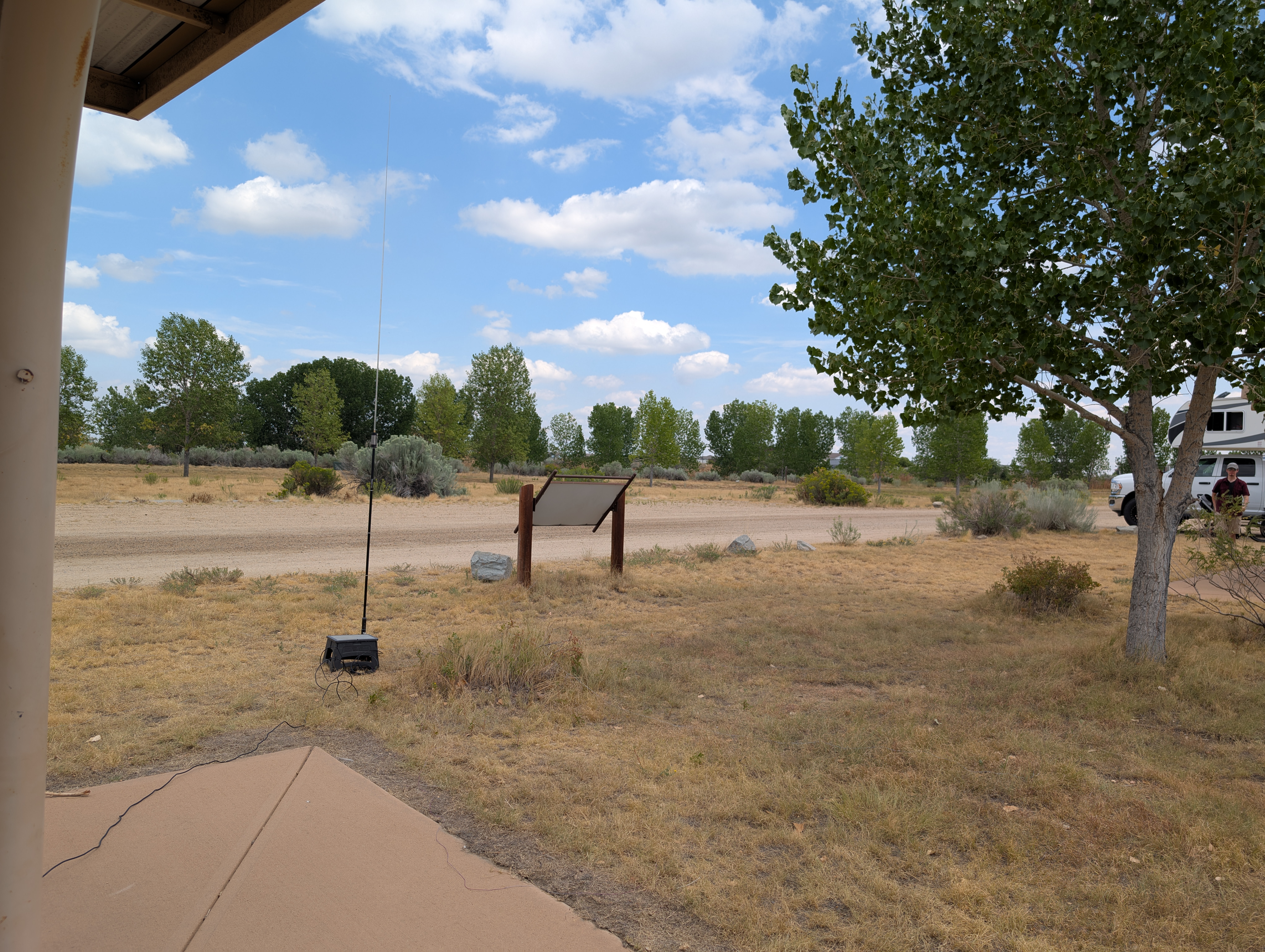
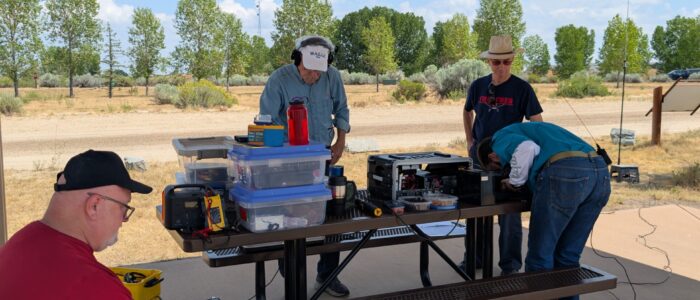
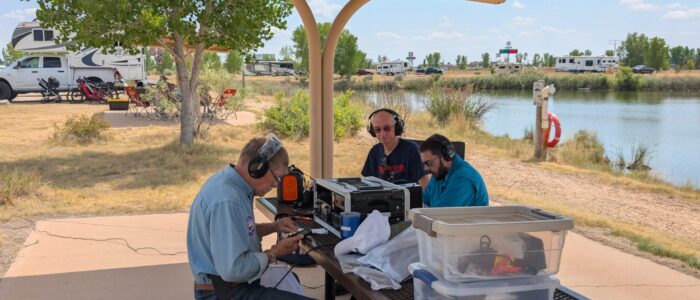
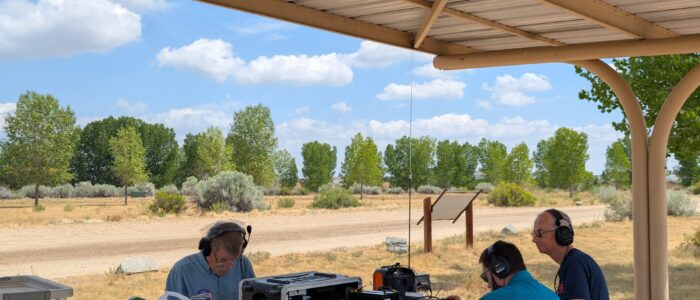
Look what LARC did with our POTA event!

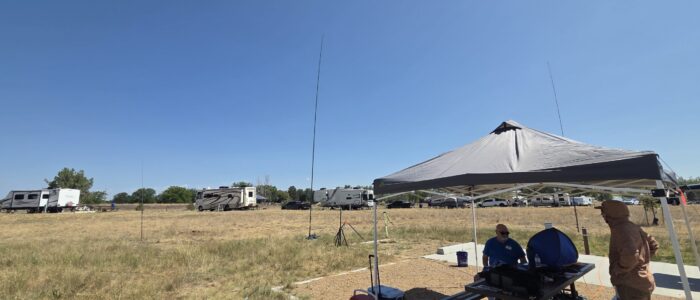
LARC made 318 contacts in about 36 hours.

Benefits of becoming a member

  • Only $25.00 per year
  • Support of local repeaters
  • Club only events
  • Ability to create articles of interest on the website
  • Access to other club members (via online)
  • Access to club’s “GoBoxes”
    • HF / VHF / UHF GoBox
    • DMR GoBox
    • Satellite GoBox
    • Fox Hunt GoBox
  • First knowledge of events that need club support
  • Ability to join the executive board to support our club
  • Click her to sign up online

Digital Modes

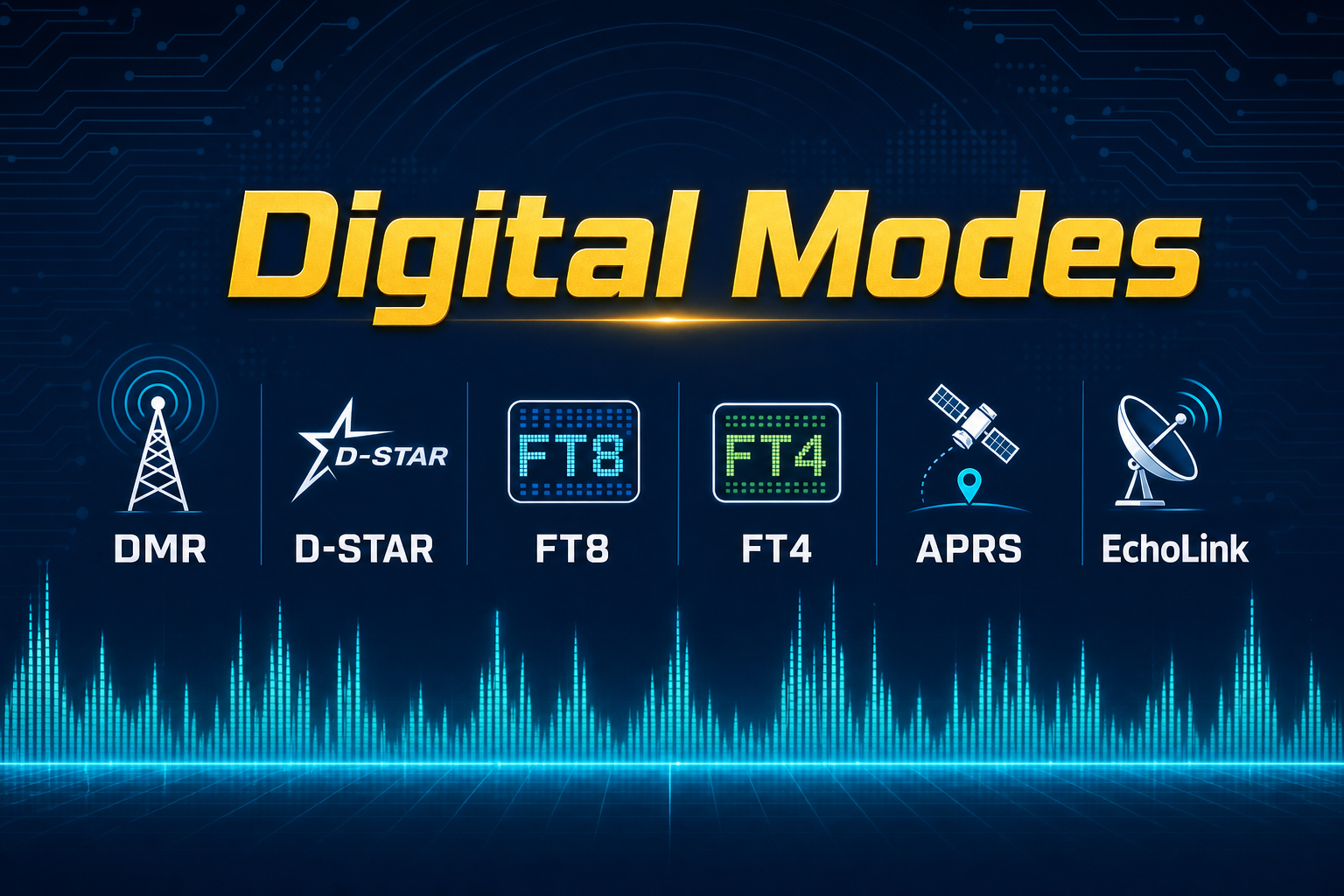
Amateur radio in 2026 is more digital than ever. Whether you’re ragchewing on DMR, chasing rare DX via FT8, or linking globally through D-STAR, there’s a digital mode for every operator. Here’s everything you need to get on the air digitally from the Longmont/Boulder area.


📱 DMR — Digital Mobile Radio

DMR is a Time Division Multiple Access (TDMA) digital voice mode that allows two simultaneous conversations on a single frequency using Time Slot 1 (TS1) and Time Slot 2 (TS2).

DMR Networks

  • BrandMeister — The largest global DMR network. Most Colorado repeaters are BrandMeister-linked. Great for ragchewing and DX contacts. brandmeister.network
  • TGIF Network — Talk Group Interest Forum, known for a friendlier atmosphere and less busy talkgroups. Popular with QRP and handheld operators. tgifnetwork.com
  • DMR-MARC — Motorola Amateur Radio Club network, one of the original DMR networks. More selective talkgroup structure.

Key Colorado DMR Talkgroups (BrandMeister)

Talkgroup Name Slot Notes
310810 Colorado Statewide TS2 Most active CO talkgroup
3108 Colorado Regional TS2 Front Range area
91 Worldwide TS1 Global calling
93 North America TS1 NA general calling
3100 USA Nationwide TS1 Monitor for calling activity
98975 TAC 310 (Colorado) TS2 Tactical, less busy

DMR Radio ID

To operate on DMR, you need a Radio ID — a unique 7-digit number tied to your callsign. Register free at radioid.net. Takes about 24 hours for approval.

Programming Your Radio

Use CHIRP for analog, or your radio’s CPS (Customer Programming Software) for DMR. Colorado codeplugs are available from the RepeaterBook community.


⭐ D-STAR — Digital Smart Technologies for Amateur Radio

D-STAR is ICOM’s digital voice and data system, operating on 2m, 70cm, and 1.2 GHz. It supports worldwide linking through the D-STAR reflector network and individual callsign routing.

D-STAR Highlights

  • Route calls directly to another ham’s callsign — even if you don’t know which repeater they’re on
  • Send slow-speed data alongside voice (DPRS position reporting, short messages)
  • Link to any D-STAR reflector worldwide via internet

Colorado D-STAR Nodes (Near Longmont)

  • WB0Q B — 449.650 MHz, Boulder (check dstarusers.org for current status)
  • K0RGT B — Denver metro area nodes
  • Check DSTARInfo.com for an updated Colorado map

Getting Started with D-STAR

  1. Register your callsign at dstarusers.org
  2. Program your callsign into your radio (MYCALL, URCALL, R1CALL, R2CALL)
  3. Monitor the local repeater and announce your callsign

🖥️ Weak Signal Digital Modes (FT8, FT4, JS8Call)

FT8 revolutionized HF radio. It can complete contacts with signals 15–20 dB below the noise floor — meaning you can work DX with a simple wire antenna and 10 watts.

FT8 Dial Frequencies (USB)

Band Frequency (MHz) Notes
160m1.840Night use
80m3.573Night use
40m7.074Day & night
30m10.136Very popular
20m14.074Most popular HF band
17m18.100Good DX
15m21.074Solar max: excellent!
10m28.074Opens worldwide at solar max
6m50.313Magic Band, summer E-skip!
2m144.174Weak signal VHF

Software for FT8

  • WSJT-X — The standard for FT8, FT4, JT65, WSPR
  • JS8Call — FT8-based but allows freeform messages; great for emergency comms
  • GridTracker — Live map of FT8 contacts (excellent for visualizing propagation)

🔗 EchoLink — Internet-Linked Voice

EchoLink allows licensed amateurs to connect to repeaters worldwide via the internet. LARC’s W0ENO repeater is EchoLink-linked as W0ENO-R.

  • Download: echolink.org
  • Verify your callsign once, then connect to W0ENO-R from anywhere in the world
  • Great for traveling ops who want to check in to LARC nets

📡 APRS — Automatic Packet Reporting System

APRS transmits your position, weather data, or short messages over 144.390 MHz (national APRS frequency in North America). Used heavily during Field Day, POTA, and SOTA activations.

  • Track stations at aprs.fi
  • Send messages and track mobile stations in real time
  • Tigertronics SignaLink or Digirig are popular sound-card interfaces

Questions about digital modes? Bring them to any LARC net or meeting — our members have experience with all of these. You can also reach out via our Contact page or the Elmer Support program.

2026 LARC Monthly Sponsored Events

**Volunteers needed – Contact me at k0itp@w0eno.org to volunteer. 

** June 27-28th – Summer Field Day – TBD

** July 17-19th – POTA Support your park weekend. Looking to do a overnighter at a park and run radios for as long as we can for the club to help with the event. TBD 

** August – Boulder Parade, Foxhunt

** September – TBD

** October – POTA – 10 hours, 2 parks, 2 days activation – TBD

** November – TBD – Thanksgiving Parade, Turkey Trot

** December – Christmas Party – TBD

As always if you also have suggestions for presentations please email the board at board@w0eno.org.

We will also have a fundraiser for the club. Challenge / Collector coins. See https://w0eno.org/2026-larc-fundraiser/ for more information. 

2026 LARC Fundraiser

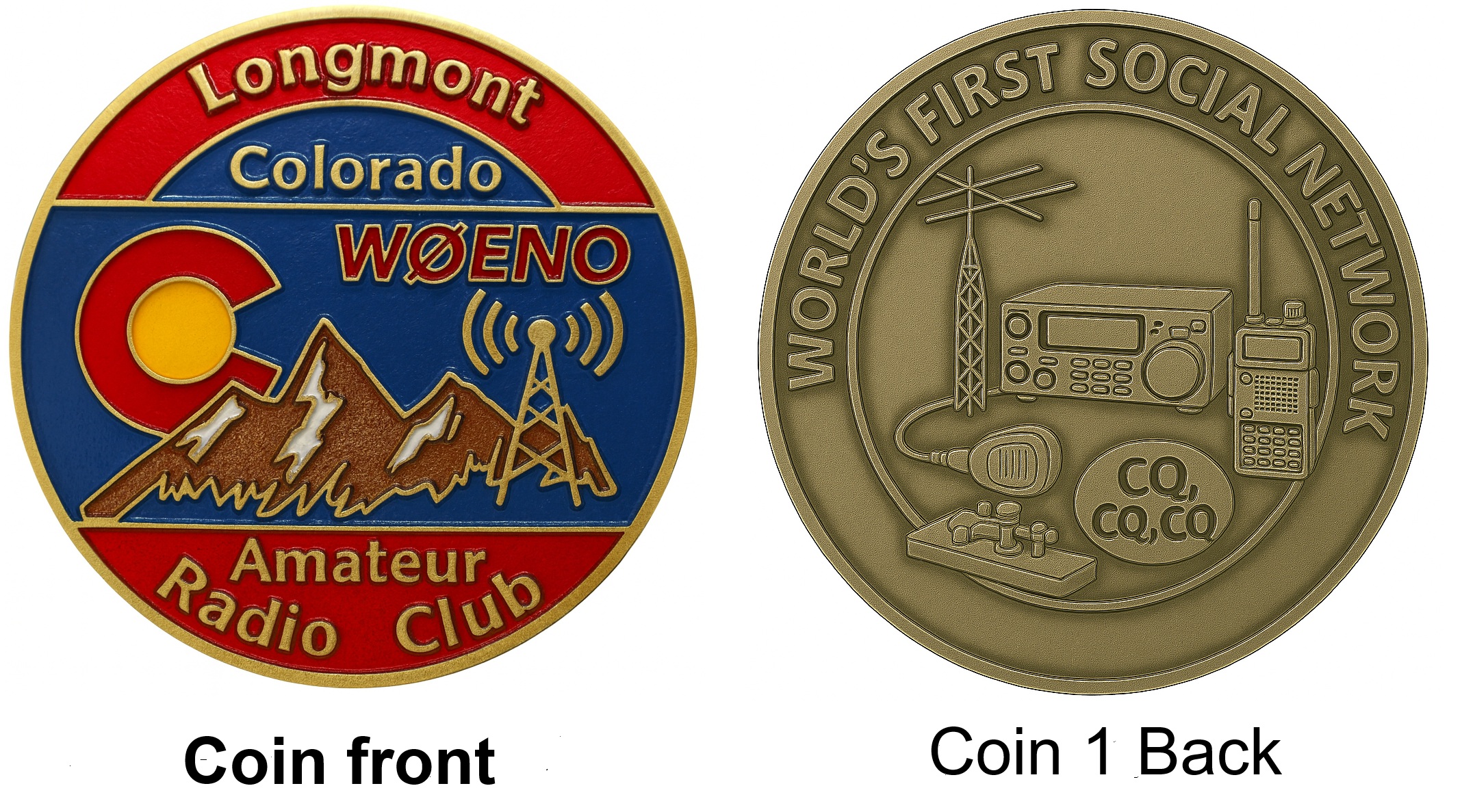
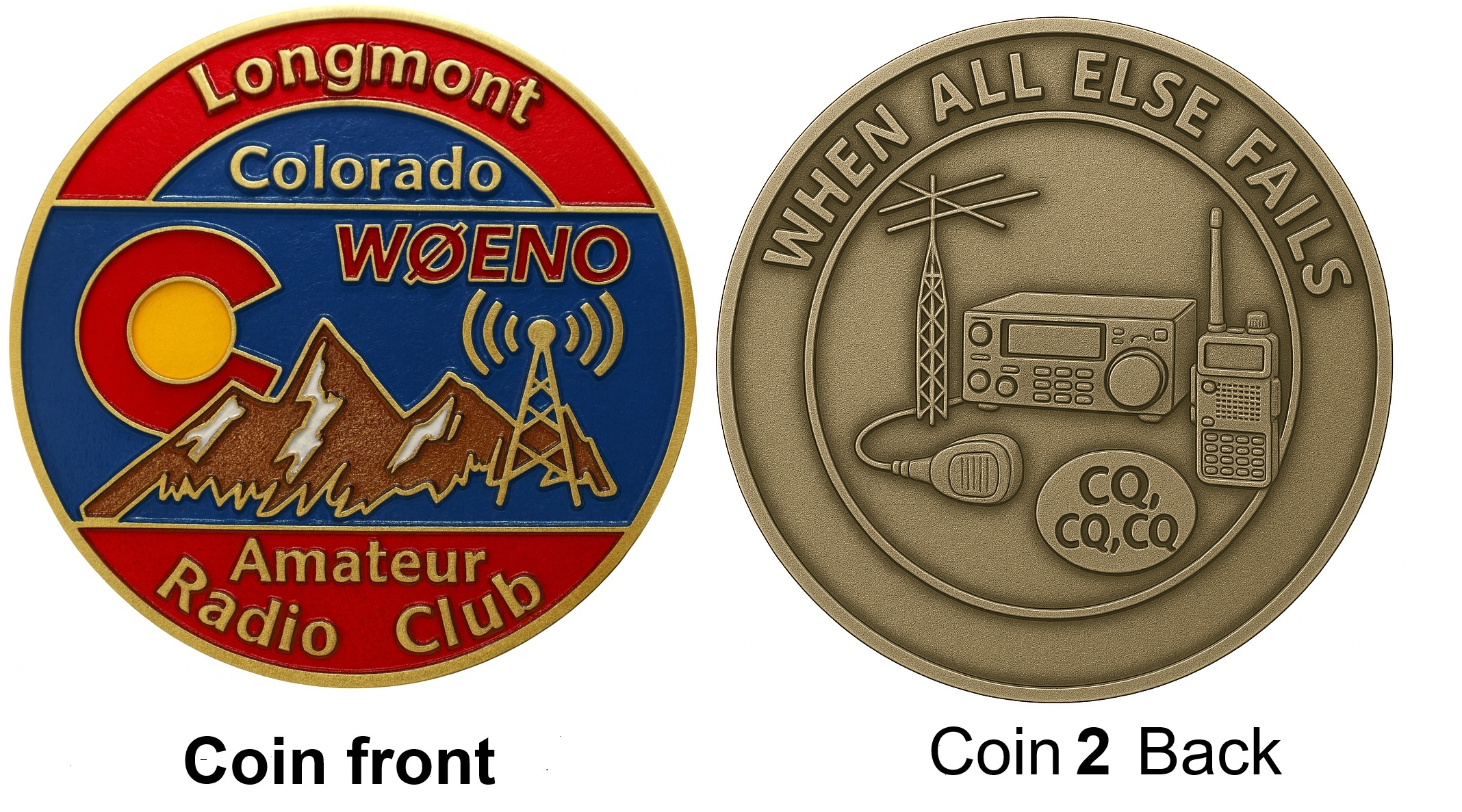
LARC now has Collector / Challenge coins. History of challenge coins:

Challenge coin history blends ancient traditions with a popular World War I origin story, where a U.S. pilot’s squadron medallion saved him from execution by French forces, establishing coins as tokens of identity and camaraderie; this evolved into modern traditions of morale-boosting recognition, unit pride, and “coin checks” for drinks, spreading through the military, emergency services, and even corporate sectors as symbols of belonging and achievement. 

Collector/Challenge Coin #1
Coin 1
$15.00
Collector/Challenge Coin #2
Coin 2
$15.00

Amateur Radio in 2026: Why the Next Year Could Reshape the Hobby—and How to Get Ready

Excerpt: 2026 may be a turning point for amateur radio. From evolving regulations and GNSS coexistence on 23 cm to AI-enabled tools, SDR everywhere, and the tail of Solar Cycle 25, here’s what’s changing—and how operators can thrive.
Amateur radio thrives on change: new modes, new bands, new ways to serve our communities. As we head into 2026, several forces are converging—regulatory updates, maturing technologies, and shifting propagation—that could make the next year feel different from the past few. Whether you’re a new Technician or a seasoned Extra, here’s a clear, practical outlook and a checklist to stay ahead.

Key takeaways

  • Expect national regulators to continue clarifying how 23 cm activities should coexist with GNSS.
  • Solar Cycle 25 will begin descending, but HF will still deliver great DX—especially on 10–15 meters during daylight.
  • SDR-first stations, open-source digital voice, and AI-assisted operating will become more mainstream.
  • EmComm remains vital as severe-weather and infrastructure events increase—win with power resilience and portable readiness.
  • Clubs that simplify digital onboarding (logging, FT8/VarAC, DMR/M17) will grow; clear on-ramps matter in 2026.

What could make 2026 different

  1. Regulatory shifts to watch
  • 23 cm (1240–1300 MHz) and GNSS protection: Expect continued national-level guidance on power limits, antennas, and proximity to sensitive receivers. Portable and EME activity may need more planning and documentation (station profiles, ERP calculations, directional use).
  • Digital rules modernization ripple effects: With symbol-rate limits removed in many places and bandwidth-centric approaches growing, watch for new digital experiments on HF and VHF/UHF (higher-speed, more robust links, better spectral efficiency).
  • Technician engagement on HF (US context): There’s long-standing interest in expanding voice/digital HF privileges for entry-level licensees. Even without formal changes, clubs and nets are increasingly building bridges from VHF to HF with coaching, loaner gear, and digital-first mentoring.
  • Interference enforcement and RFI: Expect increased attention to consumer-device noise (solar inverters, switching supplies, LED lighting). Proactive station RFI mitigation and documentation will pay off.
  1. Propagation and Solar Cycle 25
  • Cycle 25: After a surprisingly strong 2024–2025 peak, 2026 enters the descending phase. Good news: daytime upper-HF bands (10–15 m) will still be productive, with more variability. Be opportunistic—watch near-real-time MUF maps and cluster spots, and seize short 10 m openings.
  • Low bands: Nighttime conditions on 40/80 m may slowly improve for regional and intercontinental work as solar activity cools. Vertical arrays, receive-only antennas (flags, loops), and low-noise sites will shine.
  1. Technology trends shaping the shack
  • SDR-first stations: Affordable transceivers and panadapter dongles make spectrum awareness standard. Operators who log and spot from the waterfall will run more efficiently.
  • Digital modes evolve: FT8/FT4 remain gateways, but conversational modes like VarAC, robust keyboard-to-keyboard on weak paths, and JS8Call continue to grow. Expect better automation and integration with station control.
  • Open digital voice: M17 continues to gather community support as an open alternative to D-STAR, DMR, and C4FM. Watch for more native-capable radios or add-on solutions.
  • AI in the shack: Expect smarter noise reduction, autoclassification of signals, smarter spotting, log hygiene (duplicate checking, QSL workflows), and contest strategy helpers.
  • Mesh and low-power networking: LoRa-based APRS, Meshtastic-style neighborhood links, and lightweight telemetry will spread through clubs and events.
  1. Public service and resilience
  • Power is king: In a year of grid stresses and extreme weather, off-grid readiness becomes a differentiator. Lithium iron phosphate (LiFePO4) batteries, MPPT solar controllers, efficient radios, and lightweight masts keep you active when it counts.
  • Interoperability: Cross-band and cross-mode skills—moving between analog FM, digital voice, NBEMS/Winlink, and HF NVIS—will be especially valuable during incidents.
  • Documentation: ICS forms, frequency plans, and pack lists standardized in clubs will accelerate deployment and reduce friction.

Operating playbook for 2026

Band-by-band focus

  • 10 meters (28 MHz): Watch for sudden midday and afternoon openings. Great for 10 W and simple antennas. Favor FT8/FT4 when marginal; enjoy SSB/CW when it pops.
  • 12–15 meters: Reliable daytime DX windows. Excellent for modest beams or rotatable dipoles; verticals still do well near saltwater.
  • 17–20 meters: Bread-and-butter DX bands across most of the solar day. CW and digital remain steady when SSB fades.
  • 30/40 meters: Evening and nighttime stalwarts. NVIS on 40 m supports regional traffic; 30 m is digital/CW gold.
  • 60/80 meters: Nighttime regional coverage, wintertime strengths. Invest in receive antennas and quieting.
  • VHF/UHF: Leverage digital voice (DMR/D-STAR/C4FM/M17) and APRS; watch 6 m for sporadic E; try 23 cm with attention to local guidance and best practices.

Station upgrades that punch above their weight

  • Noise mitigation: Ferrites, chokes on SMPS lines, and good bonding reduce fatigue and improve copy more than you might expect.
  • Antenna agility: Lightweight telescoping masts, linked dipoles, and efficient tuners enable band agility and rapid deployment.
  • Logging + spots: Use an integrated logger with cluster/skimmer support; automate QSL and LoTW uploads to keep your log clean and current.
  • Digital starter kit: A clean audio chain (USB interface or good soundcard), accurate time sync, and a simple waterfall workflow guide for new operators.

Club strategies that win in 2026

  • One-hour digital on-ramp: A beginner-friendly session teaching FT8/FT4/VarAC setup with a printed checklist. Send them home making QSOs right away.
  • Portable-first events: Monthly POTA/SOTA/Field Days build real skills and social stickiness. Focus on packing lists, setup roles, and teardown.
  • Mentored upgrades: Small study cohorts and on-air practice nets for CW or digital voice create continuity and retention.
  • Interference labs: Regular RFI “show-and-fix” nights help members audit their shacks and neighborhood noise.
  • Youth and makers: Tie in with microcontrollers, satellite passes, high-altitude balloons, and mesh projects to attract builders.

A practical compliance mindset for 23 cm

  • Know your environment: Map nearby GNSS-sensitive facilities if guidance suggests caution zones.
  • Log station parameters: ERP, antenna pattern, azimuth/elevation during operations. Directional antennas and careful aiming can reduce risk.
  • Be portable-smart: If you operate EME or long-range portable, carry a basic station profile and be ready to adjust power or angle as needed.
  • Stay current: Follow national society updates and club briefings for any 2026 changes.

Your 2026 readiness checklist

  • Update firmware/software for your radio, tuner, and logger; back up configs.
  • Build or refine a power plan: LiFePO4 battery, charger, fused distribution, and a solar option.
  • Prep a grab-and-go kit: Linked dipole or end-fed half-wave, coax, mast, stakes, throw line, headlamp, and laminated quick-reference cards.
  • Clean up your digital chain: Verify audio levels, CAT control, time sync, and macros.
  • Choose one “growth” path: CW practice, satellite ops, M17/DMR talkgroups, or meshing—ship something new this quarter.
  • Document your station: Photos, wiring diagram, and a frequency plan. Future you will be grateful.
  • Engage with a net or contest: Even a few contacts sharpen skills and verify your station end-to-end.

Final thought Change is the constant that keeps amateur radio vibrant. 2026 won’t upend the service—but it will reward operators and clubs who lean into smarter digital practices, resilient power, clear documentation, and a learning mindset. If you pick one upgrade for your station and one upgrade for your club, you’ll feel the difference on the air.

Suggested categories: Amateur Radio, Operating, Technology, Public Service Suggested tags: 2026, Solar Cycle 25, 23 cm, Digital Modes, SDR, M17, DMR, FT8, VarAC, EmComm, POTA, SOTA

Call to action: What’s the one skill you plan to level up in 2026—digital voice, CW, portable ops, or station noise control? Share your plan and we’ll build a follow-up guide around it.